What is a Construction Phase Plan? | Vertex Estimation
Estimation starts before the first shovel digs in. A Construction Phase Plan (CPP) is the clear, step-by-step safety and work plan that guides a project from setup to finish. Below, Vertex Estimation explains what a CPP is, what it contains, and why every residential, commercial, and industrial job needs one.
What is a Construction Phase Plan? — the short answer
A Construction Phase Plan is a written plan that explains how a construction project will be carried out safely and efficiently. It covers health and safety, site setup, work sequence, resources, and how the team will manage risks day to day.
Why the CPP matters from day one
A CPP protects people, money, and time. It turns general rules into a local, job-specific guide that everyone on site can follow. Without a CPP, a project risks confusion, accidents, delays, and hidden costs. Vertex Estimation treats the CPP as an essential part of pre-construction, not an afterthought.
When is a Construction Phase Plan needed?
A CPP is required for most building projects once work begins on-site. It’s especially important when multiple contractors work together, when the site is complex, or when the work may affect public areas. For homeowners, small builds, or large industrial sites, the CPP scales to fit the size and risk of the job.
Key Components of a Construction Phase Plan
A clear CPP usually includes the following parts:
- Project overview — brief description of what will be built and where.
- Project team and responsibilities — who is in charge, who does what, and contact details.
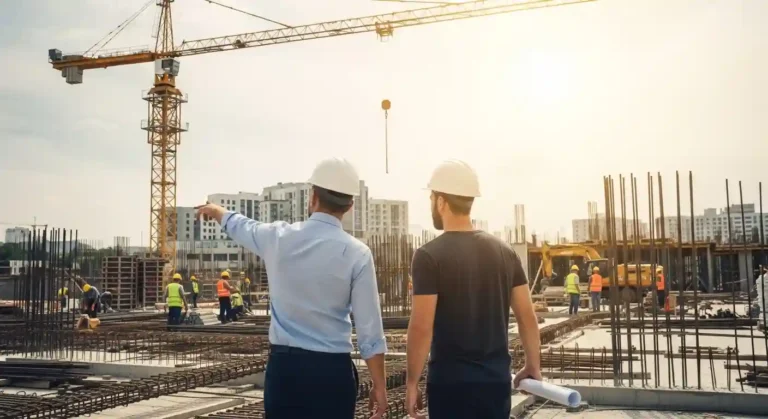
- Site setup and access — how workers, vehicles, and deliveries enter and leave safely.
- Work sequence and methods — stepwise plan of tasks (demolition, excavation, structure, finishes).
- Hazard identification and risk controls — what could go wrong and how to stop it.
- Safe systems of work — permits, lockout procedures, and confined space rules.
- Welfare and first aid — toilets, washing, rest areas, and emergency aid.
- Training and competence — ensuring staff and subcontractors are qualified for their tasks.
- Plant, equipment, and materials — what is on-site and how it is inspected and stored.
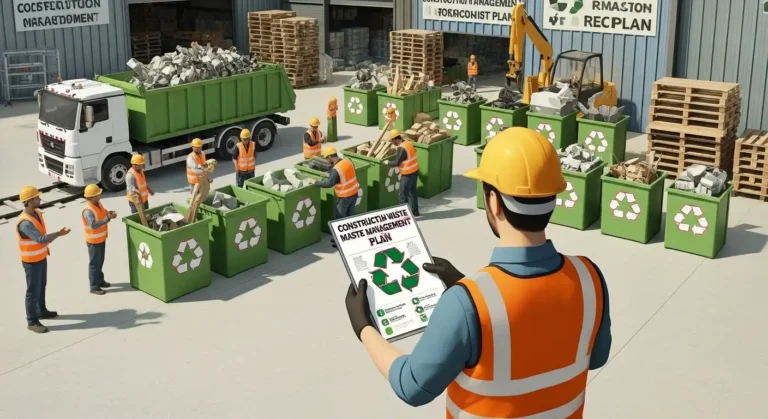
- Environmental controls — dust, noise, waste, drainage, and pollution prevention.
- Emergency procedures — who to call, evacuation routes, and incident reporting.
- Monitoring and review — how the plan is checked and updated as work changes.
How CPP links to cost and schedule (estimation matters)
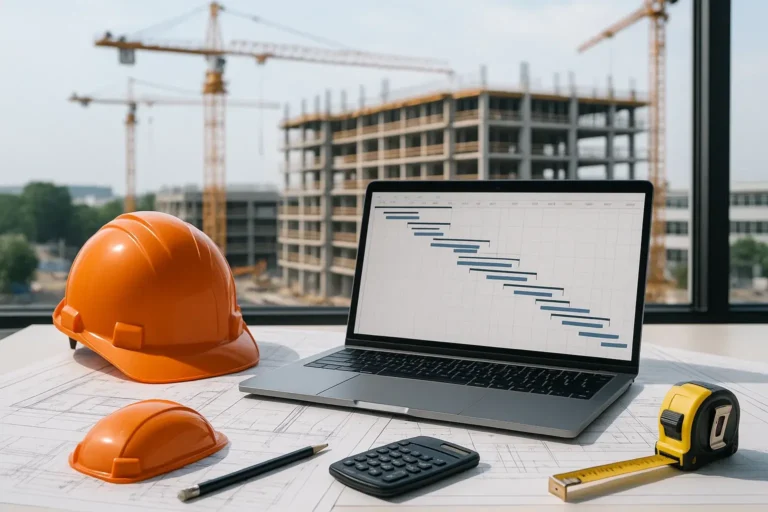
A CPP is not only about safety. It affects budgets and timelines, too. When you estimate a project, including site-specific safety measures, traffic management, or phased access can change costs and durations. Vertex Estimation ensures that CPP items—like temporary works, protective screens, or specialist traffic control—are built into your budget so you don’t face surprise expenses later.
Tailoring the CPP to different project types
A good CPP adjusts to the job type and scale. Here’s how it naturally ties into estimating for different sectors:
- Homes and small builds: For houses and extensions, a CPP focuses on neighbors, lifts, and temporary access. That’s why accurate residential construction estimating includes homeowner protections, temporary fencing, and clean-up times as line items.
- Commercial projects: Shops, offices, and retail spaces need phased works to avoid business disruption. Commercial projects often need detailed sequencing and fire-safety plans; this feeds directly into commercial construction estimating, so schedules and costs match operational needs.
- Industrial work: Factories or plants bring heavy machinery, specialist lifts, and strict safety rules. An industrial CPP must include plant shutdown plans and specialist supervisors—elements that show up in industrial construction estimating as specialist labor, longer lead times, and higher contingency allowances.
Common pitfalls when preparing a CPP (and how to avoid them)
- Vague language: If the CPP is not specific, teams will interpret it differently. Use clear, stepwise instructions.
- Not updating the plan: Construction sites change. Update the CPP when scope, sequence, or site conditions change.
- Skipping subcontractor input: Subcontractors often know the practical risks. Include them early so the CPP reflects reality.
- Underestimating welfare needs: Poor welfare lowers productivity and raises risk. Budget for proper facilities.
- Vertex Estimation recommends a short workshop with key contractors before work starts to catch these issues early.
Who writes the Construction Phase Plan?
The main contractor usually prepares the CPP, but designers and principal contractors must share information. For smaller jobs, the contractor or a competent consultant can produce the CPP. For complex industrial projects, specialist health and safety advisors often lead the CPP drafting with engineers and planners.
Using the CPP during construction — a living document
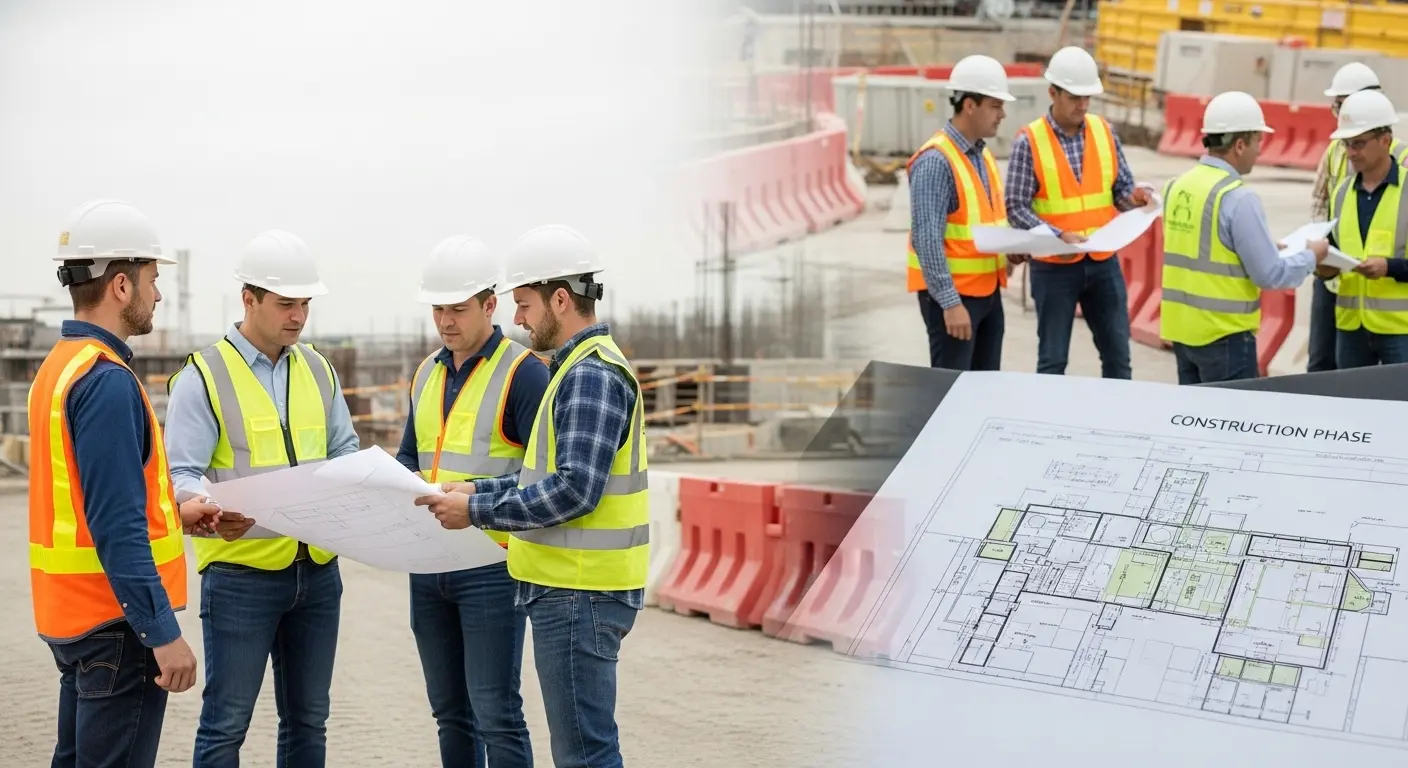
A CPP is most useful when it is used daily. Supervisors should review the plan at toolbox talks, update it after incidents or design changes, and keep a hard or digital copy on site. Regular audits and simple checklists help ensure the CPP is actually followed, not just filed.
Simple steps to create a practical CPP today
- Start with a short project summary and names of key people.
- Walk the site with supervisors and subcontractors to note hazards.
- List the main tasks in order and identify controls for each hazard.
- Add welfare, access, and emergency arrangements.
- Include the CPP costs in your estimate so the budget is realistic.
- Review the CPP weekly and update when plans change.
How Vertex Estimation helps with CPPs and project success
Vertex Estimation combines clear estimating with practical CPP guidance. We include site-specific safety costs and sequencing in our estimates so owners and contractors see the full picture. This reduces surprises and keeps budgets and timelines steady. We also provide templates and on-site checklists to help teams use the CPP every day.
Benefits of a good CPP — quick recap
- Protects workers and the public.
- Reduces delays by clarifying how work will be done.
- Lowers unexpected costs when hazards are planned for.
- Builds confidence with clients, insurers, and lenders.
- Keeps teams coordinated across trades and phases.
Final thought — safety first, then the build
A Construction Phase Plan is more than paperwork. It is the practical guide that turns plans and drawings into safe, controlled action on site. When safety, sequence, and costs are planned together, projects run smoother. Vertex Estimation helps you combine good estimating with a strong CPP so your work finishes on time, on budget, and with everyone safe.