How to Use Construction Machinery: A Beginner’s Guide
Construction machinery plays a big role in shaping our cities, homes, and industries. From lifting heavy loads to digging strong foundations, machines help complete jobs faster, safer, and with more accuracy. If you’re new to construction or planning a project, learning how to use construction machinery can save time, reduce costs, and improve results.
In this guide, we’ll cover the basics of using construction machinery, safety tips, and why proper training is essential. We’ll also explore how different types of construction projects—like residential construction estimating, commercial construction estimating, and industrial construction estimating—benefit from the right equipment.
Common Types of Construction Machinery
There are many types of machines used in construction, each with a special role. Here are some of the most common ones:
1. Excavators
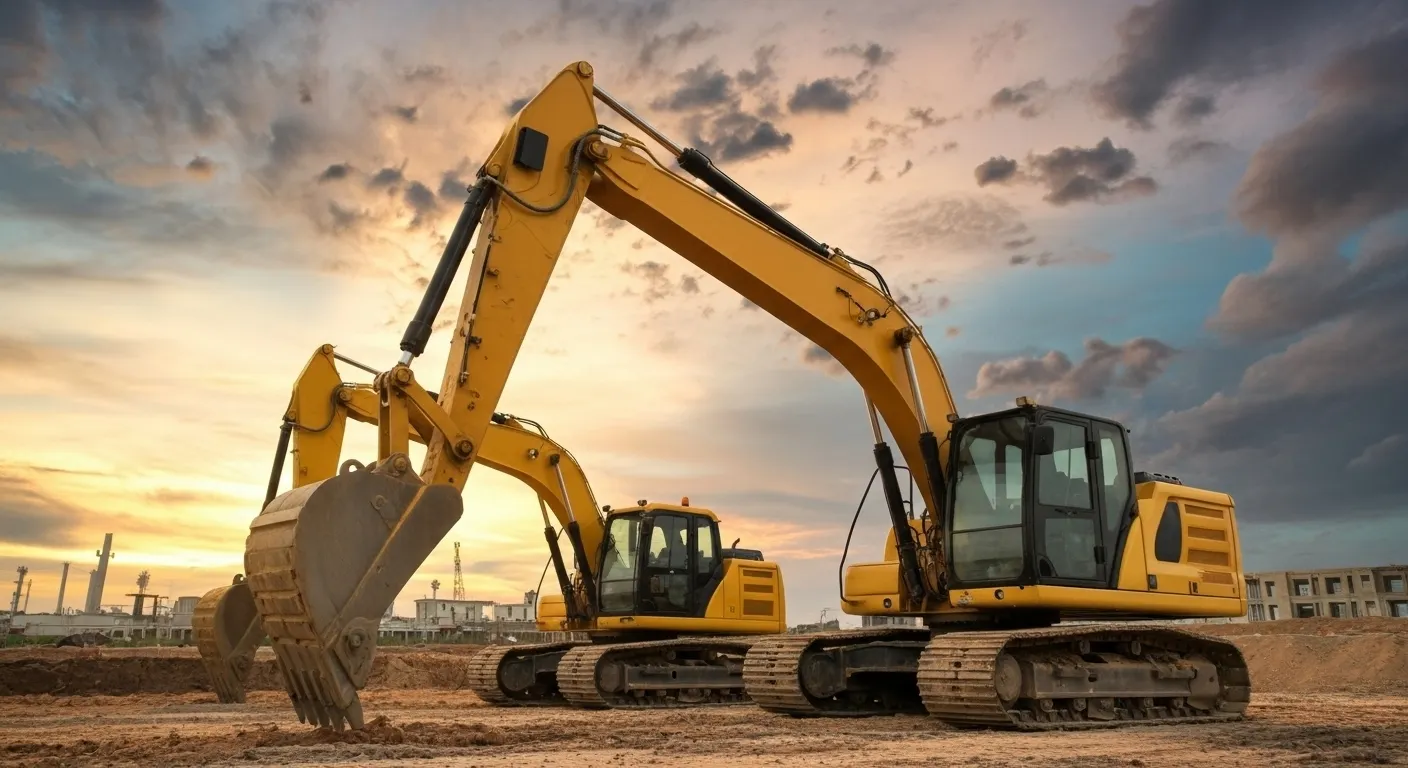
Excavators are used for digging trenches, foundations, and holes. They can also lift heavy materials.
2. Bulldozers
Bulldozers are powerful machines for pushing soil, sand, and debris. They prepare land for construction.
3. Cranes
Cranes lift and move heavy objects like steel beams, concrete blocks, and machinery. They are vital for tall buildings.
4. Loaders
Loaders move materials such as gravel, sand, and soil from one place to another.
5. Concrete Mixers
These machines mix cement, water, and sand to create strong concrete for foundations and walls.
Step-by-Step: How to Use Construction Machinery
If you’re new to operating machinery, here’s a simple step-by-step process to get started:
Step 1: Get Proper Training
Operating heavy machines requires skills. Many countries offer certification courses to teach safe handling.
Step 2: Read the Manual
Every machine comes with a guide. Reading the manual helps you understand controls, safety limits, and maintenance needs.
Step 3: Wear Safety Gear
Before using any machinery, wear a helmet, gloves, boots, and safety glasses. This protects you from injuries.
Step 4: Inspect the Machine
Check for fuel, oil, tire pressure, and any visible damage. A quick inspection reduces risks.
Step 5: Learn the Controls
Understand how to start, stop, and control the machine. Practice in an open area before working on-site.
Step 6: Operate with Care
Move slowly, stay aware of your surroundings, and communicate with your team. Never overload a machine.
Step 7: Shut Down Safely
When the job is done, park the machine safely, turn it off, and lock the controls.
Why Learning to Use Construction Machinery Matters
Construction machinery is more than just big vehicles and tools—it’s the backbone of any building project. Whether you’re laying bricks, pouring concrete, or lifting steel beams, machinery ensures the work is done quickly and safely.
Learning how to use these machines has many advantages:
- Efficiency – Work gets done faster and with less physical effort.
- Precision – Machines ensure accurate measurements and placements.
- Cost Savings – Reduced mistakes mean less material waste.
- Safety – Proper use prevents accidents on-site.
Safety Tips for Using Construction Machinery
Safety is always the top priority on a construction site. Follow these important tips:
- Keep a safe distance from other workers.
- Use machines only for their intended purpose.
- Never operate machinery if you feel tired or distracted.
- Follow site rules and warning signs.
- Report any faults or breakdowns immediately.
By practising safety, you not only protect yourself but also create a safe environment for your team.
How Machinery Helps Different Types of Construction
Different projects require different machines. Here’s how they fit into various construction areas:
Residential Construction
In residential construction estimating, machinery like excavators and concrete mixers play a big role in building houses. They speed up foundation work, reduce labour, and ensure quality finishes.
Commercial Construction
For commercial construction estimating, cranes and bulldozers are essential. They help construct offices, malls, and public spaces where large-scale operations are needed.
Industrial Construction
In industrial construction estimating, heavy-duty machines such as specialized cranes, forklifts, and loaders manage massive steel structures, warehouses, and factories.
By choosing the right equipment, each project becomes more efficient and cost-effective.
The Importance of Maintenance
Using construction machinery is not just about operation—it’s also about care. Regular maintenance keeps machines running smoothly and extends their lifespan.
Simple maintenance tasks include:
- Checking oil and fluid levels
- Inspecting tires and tracks
- Cleaning filters and engines
- Scheduling professional servicing
Well-maintained machines prevent delays and reduce repair costs.
Final Thoughts
Learning how to use construction machinery may seem challenging at first, but with training, practice, and the right guidance, it becomes much easier. These machines not only improve project efficiency but also ensure safe and high-quality results.
Whether you’re working on residential, commercial, or industrial projects, mastering construction machinery is the key to success. At Vertex Estimation, we understand the value of accurate planning and proper equipment use in every project. By combining skilled operators with precise estimating, we help construction businesses achieve their goals smoothly and efficiently.